In today’s fast-paced commercial environment, energy demands are increasing at an unprecedented rate. Businesses are adding advanced lighting systems, high-efficiency HVAC equipment, data centers, security systems, and other energy-intensive technologies to improve operations and maintain competitive advantages. While these improvements enhance functionality and productivity, they also place significant strain on existing electrical infrastructure. For many commercial properties, the primary bottleneck is the electrical panel. Upgrading Commercial Electrical Service panels is no longer optional—it is a critical step to ensure safety, efficiency, and the ability to accommodate growing energy demands.
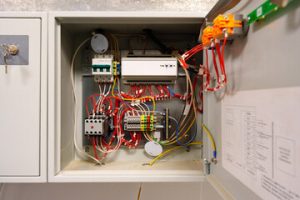
An electrical panel serves as the central hub for power distribution within a building. It directs electricity from the utility supply to individual circuits, protecting wiring and connected equipment through circuit breakers or fuses. In older commercial buildings, panels may have been designed for energy requirements far below today’s operational needs. Continued expansion without addressing panel capacity can lead to overloaded circuits, frequent breaker trips, and even hazardous conditions. By upgrading panels, businesses can ensure that electrical distribution keeps pace with modern energy demands while minimizing the risk of fire, equipment damage, or operational downtime.
One of the primary indicators that an electrical panel may need upgrading is frequent circuit interruptions. Overloaded circuits often trip breakers repeatedly, signaling that existing capacity is insufficient for current energy loads. Businesses relying on computers, network servers, industrial machinery, or refrigeration equipment may experience disruptions that affect productivity. An upgraded panel provides additional capacity and modern protective devices, allowing circuits to handle higher loads safely and consistently. This proactive approach prevents interruptions and supports reliable day-to-day operations.
Load assessment is a critical first step in any panel upgrade. A professional electrician evaluates the total electrical demand of the property, taking into account current usage, seasonal variations, and anticipated expansion. This assessment includes calculating peak loads for lighting systems, HVAC equipment, commercial appliances, and specialty machinery. Accurate load analysis ensures that the upgraded panel is properly sized, prevents oversizing or undersizing, and establishes a foundation for efficient power distribution throughout the facility.
Panel upgrades also improve overall electrical safety. Older panels may lack modern protective devices such as arc fault circuit interrupters (AFCIs) or ground fault circuit interrupters (GFCIs), which are essential for detecting dangerous conditions and preventing fires or electric shock. Many legacy panels also rely on outdated breakers or fuse systems that may fail under high-demand conditions. Upgrading to a modern panel ensures compliance with current electrical codes and integrates safety features that protect both occupants and property.
Another important consideration is energy efficiency. While panels themselves do not directly consume significant energy, their configuration affects system efficiency. Properly sized panels reduce losses due to overheating and voltage drop. Modern panels are designed to optimize circuit distribution and minimize energy waste. Additionally, upgrading panels allows businesses to incorporate energy management technologies such as submetering and automated load monitoring. These tools provide real-time insights into consumption patterns, helping facility managers identify inefficiencies and implement targeted energy-saving strategies.
Commercial facilities with high-capacity equipment, such as industrial manufacturing plants, laboratories, or data centers, often face unique challenges. Motors, compressors, and specialized machinery draw substantial power, requiring dedicated circuits and careful load balancing. An upgraded electrical panel ensures even distribution across phases, reducing strain on any single circuit and improving system reliability. Proper phase balancing also extends the life of equipment and prevents energy loss due to voltage imbalances.
During the upgrade process, electricians also evaluate the condition of wiring and connections. Panels that have served a building for decades may have worn or corroded terminals, loose connections, or inadequate grounding. Upgrading the panel provides an opportunity to address these hidden hazards. Secure, code-compliant wiring ensures reliable current flow, reduces heat generation, and enhances overall system longevity. By addressing both the panel and associated wiring, property owners achieve a comprehensive electrical solution.
A structured panel upgrade often includes several coordinated steps:
- Load Analysis and Assessment – Evaluating current and anticipated energy demands to determine panel sizing requirements.
- Panel Selection and Specification – Choosing a panel with sufficient capacity, appropriate breaker configurations, and modern safety features.
- Electrical Wiring Inspection – Examining existing circuits for integrity, grounding, and code compliance.
- Installation and Connection – Safely installing the upgraded panel, redistributing circuits, and integrating protective devices.
- Testing and Commissioning – Verifying proper operation, load distribution, and adherence to electrical codes.
This structured approach ensures a safe, reliable, and scalable solution that meets the property’s energy requirements.
Modern electrical panels also facilitate future growth. Commercial buildings are rarely static; expansion, renovations, or new equipment often increase energy demand over time. Panels with modular designs, extra breaker spaces, and capacity for higher amperage allow businesses to accommodate additional circuits without extensive reconstruction. Planning for future needs during the upgrade reduces long-term costs and prevents operational disruptions as energy demands continue to grow.
Safety regulations and code compliance are integral aspects of panel upgrades. Electrical codes dictate minimum panel ratings, breaker sizing, grounding requirements, and clearance specifications. Upgrades that comply with these standards protect property owners from liability and ensure that inspections, insurance evaluations, and audits are successful. Licensed electricians oversee these upgrades to ensure full adherence to codes, creating a safer environment and avoiding costly penalties associated with non-compliant installations.
Energy management and monitoring are increasingly important for commercial facilities seeking to reduce costs and environmental impact. Upgraded panels provide the infrastructure necessary to implement advanced monitoring solutions. Submetering systems can track energy usage by department, equipment type, or circuit, enabling more accurate billing, targeted energy conservation measures, and operational efficiency improvements. Integrating these systems during a panel upgrade ensures that businesses can monitor and manage energy use effectively from the outset.
Maintenance and longevity are additional considerations. Modern panels are designed to be easier to service, with clear labeling, accessible connections, and organized circuit layouts. This reduces the risk of errors during future maintenance, upgrades, or inspections. Panels that are easier to maintain also improve operational efficiency, minimizing downtime and ensuring consistent power delivery to critical systems.
Businesses should also consider redundancy and reliability during upgrades. For facilities with critical operations, such as healthcare centers, manufacturing plants, or data centers, downtime can result in significant financial losses. Upgraded panels can incorporate features such as redundant feeders, backup power integration, and emergency bypass capabilities. These measures enhance resilience, providing reliable electricity even in the event of an outage or equipment failure.
Financial considerations are naturally part of the decision-making process. While panel upgrades represent an upfront investment, they deliver long-term savings by preventing equipment damage, reducing operational interruptions, and improving energy efficiency. Businesses often find that the return on investment is realized quickly through lower utility costs, reduced maintenance expenses, and enhanced operational continuity. Furthermore, energy-efficient panels may qualify for utility rebates or incentives, further offsetting initial expenses.
The visual and organizational benefits of upgraded panels should not be overlooked. Modern panels feature organized breaker layouts, labeled circuits, and user-friendly designs. This clarity simplifies troubleshooting and maintenance for electricians and facility managers alike. When problems arise, technicians can quickly identify affected circuits, reducing downtime and improving overall operational responsiveness.
Upgraded panels also support integration with emerging technologies. Smart building systems, automated lighting, and energy-efficient HVAC equipment require stable and reliable power distribution. Panels that are designed to handle high loads and variable demand enable seamless integration of these technologies. This future-proofing allows businesses to adopt new solutions without costly rewiring or system overhauls.
In summary, upgrading commercial electrical panels is essential for properties experiencing growing energy demands. Modernization ensures safety, reliability, and compliance with current codes while providing the capacity to support advanced technologies and future expansion. By addressing load capacity, protective devices, wiring integrity, and monitoring systems, property owners can create a resilient electrical infrastructure that supports operational efficiency and reduces risk.
The benefits of upgrading electrical panels extend across several dimensions:
- Enhanced Safety – Modern panels integrate protective devices and code-compliant wiring to reduce fire and shock hazards.
- Increased Capacity – Panels accommodate current and anticipated energy demands, preventing overloads and interruptions.
- Improved Operational Efficiency – Proper load distribution and monitoring minimize downtime and maximize equipment performance.
- Future-Proof Flexibility – Modular designs allow for expansion, renewable energy integration, and smart system compatibility.
Ultimately, investing in an upgraded electrical panel is an investment in the long-term safety, efficiency, and scalability of a commercial property. Businesses that prioritize panel modernization benefit from reduced risk, improved energy management, and the ability to meet the evolving demands of modern operations. By partnering with licensed electricians and adhering to best practices, property owners can ensure that their electrical infrastructure remains robust, reliable, and ready for the challenges of tomorrow.